


A lead messages your sales number at 10:40 am. One representative sees it and replies. Another representative sees it too and sends a different quote. By evening the lead has gone quiet, and nobody can say who was supposed to follow up.
That is not a discipline problem. It is what happens when a team runs WhatsApp for sales without a shared system. This guide covers what a WhatsApp team inbox changes in a sales team's day, what problems it solves, where the productivity gain comes from, and how Emovur fits in.
Short answer:
A WhatsApp team inbox puts every conversation from your business number into one shared workspace. Each chat gets an owner, a status and a next step. Representatives stop replying twice, leads stop going cold, and managers can see what’s the status of each lead without asking anybody.
Why Regular WhatsApp for sales gets messy as the team grows?
The regular WhatsApp Business app is built for one phone, not for a team. Once three or four reps share a number, the same four problems show up:
Leads fall through: A new chat arrives and everyone assumes someone else will pick it up.
Customers get mixed answers: Two reps reply with different prices or timelines.
History sits on personal phones: When a rep leaves or goes on leave, the context goes with them.
Managers work blind: There is no view of response times, open chats or stuck leads.
How does a shared inbox work as a game changer for the sales team?
Lead ownership: one chat, one owner
Leads reach your number from ads, your website and referrals, which is why WhatsApp lead generation and lead ownership have to work together. A shared inbox settles it with one rule: many people can see a chat, but only one person owns it.
Most teams assign chats in one of these ways:
Round robin: new chats are shared out evenly.
By lead source: ad leads go to one rep, website leads to another.
By product, region or language: the rep who knows the customer's context takes the chat.
Unassigned queue: anything nobody has picked up stays visible so it cannot be forgotten.
If you are setting up the technical side, our guide on multiple agents on WhatsApp Business API explains how teams get added to one number.
How does a shared inbox contributes sales productivity ?
Speed is where most teams lose. In a February 2026 NP Digital survey of 500 marketers, only 3% said they respond to new leads within 5 minutes, and 28% had no defined process for responding at all.
It matters because a widely cited lead response study found that leads contacted within 5 minutes were about 21 times more likely to qualify than those contacted after 30 minutes
A shared inbox does not add hours to the day. It removes waste from the hours your team already works.
Run your sales team from one WhatsApp inbox
WhatsApp for sales works when every lead has an owner and every follow-up has a date. A shared inbox gives your team that structure without more tools or more meetings.
Emovur gives you the WhatsApp Business API and a shared team inbox on one platform.
FAQs
Can multiple salespeople use one WhatsApp number?
Yes, through the WhatsApp Business API with a shared inbox on top. The regular WhatsApp Business app is built for small setups, so growing sales teams usually outgrow it.
How do you assign WhatsApp leads to sales reps?
Most teams use round robin, or rules based on lead source, product, region or language. Chats nobody has picked up should stay in a visible queue.
How does a shared inbox improve sales productivity?
It cuts time spent searching for context, removes duplicate replies, makes unanswered chats visible and gives managers a live view of open leads.
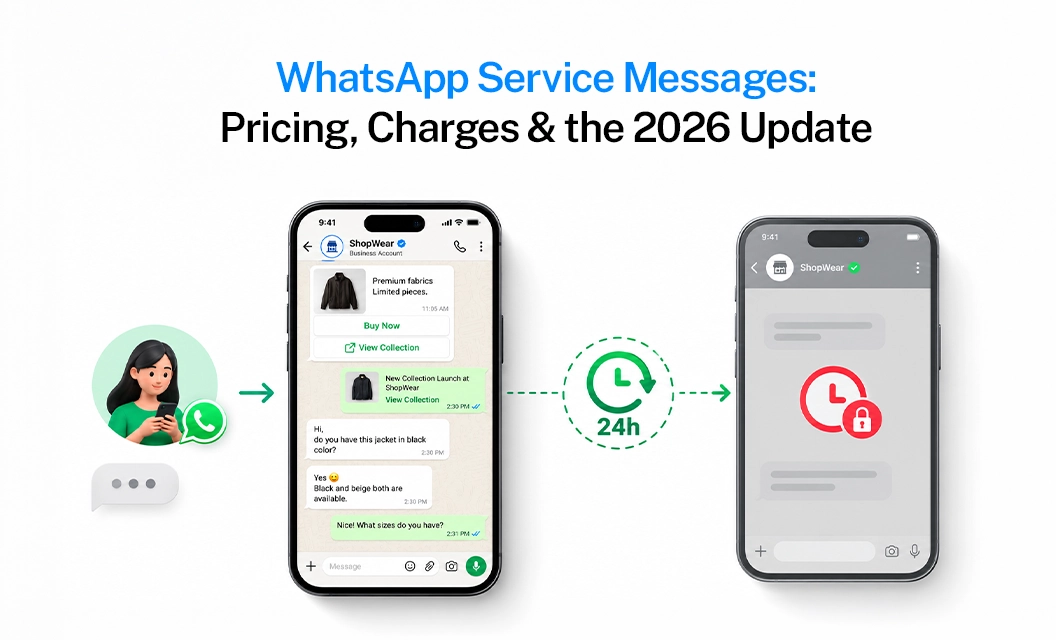
Can you send follow-up messages after 24 hours?
Yes. After the 24-hour window closes, you can message opted-in contacts using an approved template.
Does a team inbox replace a CRM?
No. The inbox handles conversations. A CRM holds the lead record and deal stage. The best setup connects the two so chats and lead data stay in sync.